
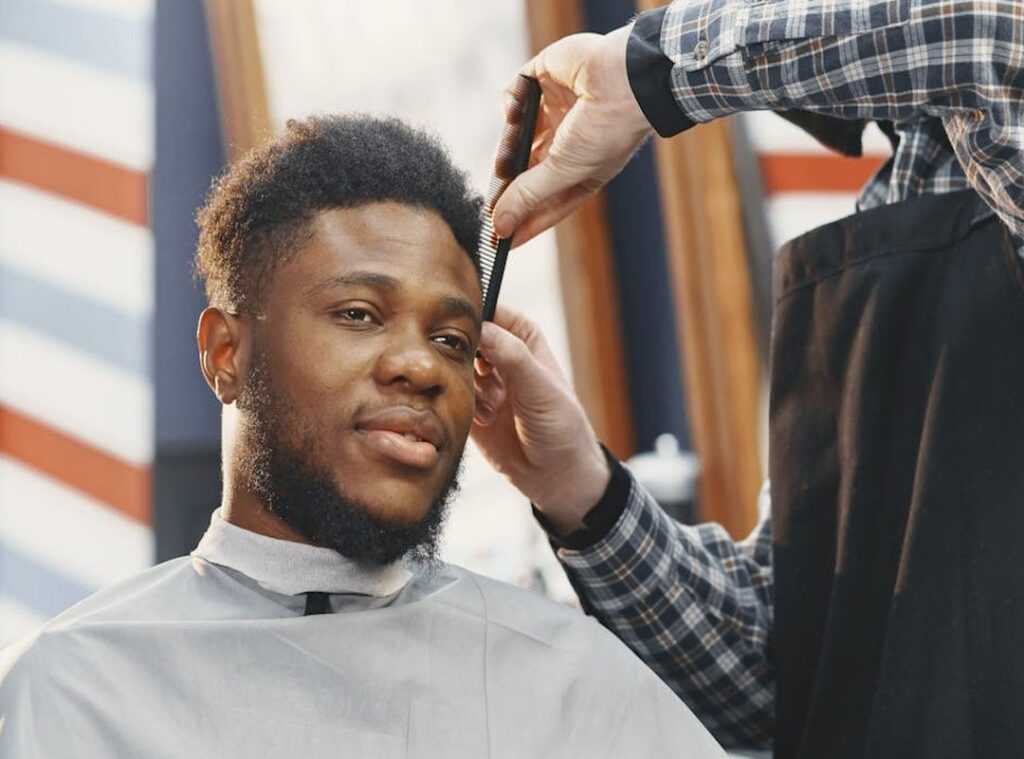
The right haircut can completely transform your look. But walking into a barbershop and asking for the ‘usual’ is a missed opportunity. You’ve seen the clean, sharp look of a modern fade.
But the terminology—taper, fade, taper fade—can be confusing.
You might not know how to ask for what you really want. This guide will demystify the taper fade style. We’ll break down exactly what it is, how it differs from other cuts, and which variation is perfect for you.
We’ll provide clear definitions and visual cues. So, you can walk into your next appointment with the confidence of a seasoned style expert. This cut is one of the most versatile and popular styles for a reason.
It blends classic professionalism with a modern edge.
Defining the Tapered Fade: More Than Just Short Sides
A tapered fade is a hybrid haircut that combines the gradual shortening of a classic taper with the skin-close finish of a fade.
Let’s break it down. The ‘taper’ element follows the natural hairline, gradually getting shorter from top to bottom but typically leaving some length at the sideburns and neckline.
On the other hand, the ‘fade’ creates a seamless blend down to the skin, giving a sharp, clean, and high-contrast finish.
The tapered fade gives you the best of both worlds. You get the timeless, natural shape of a taper and the bold, modern precision of a fade.
It’s the perfect choice for someone who wants a haircut that is neat and office-appropriate but still has a distinct, stylish edge.
Why go for a haircut:jmiw_6ztpc0= taper fade? It’s versatile, easy to maintain, and always looks fresh.
Taper vs. Fade: Finally Understanding the Difference
I get it. You walk into a barbershop, and suddenly you’re drowning in a sea of confusing terms. Taper?
Fade? What’s the difference, and why does it matter?
Let’s break it down.
Taper:
– Neckline and Sideburns: A classic taper leaves a soft, natural edge with some length.
– Level of Contrast: Tapers are more subtle and understated.
– Analogy: Think of a taper as dimming the lights slowly.
Fade:
– Neckline and Sideburns: A classic fade blends directly into the skin, erasing the hairline.
– Level of Contrast: Fades create a much higher contrast and a more dramatic look.
– Analogy: A fade is like turning the lights off completely.
Understanding this difference is crucial. It’s the key to communicating effectively with your barber. The last thing you want is to ask for a conservative business taper and end up with a high-and-tight skin fade.
haircut:jmiw_6ztpc0= taper fade
Pro tip: If you’re not sure, show your barber a picture. It’s better to be safe than sorry.
Find Your Perfect Look: Top Tapered Fade Styles to Ask For
The Low Taper Fade is the most subtle option. The fade begins just above the ear and follows the neckline low on the head. It’s perfect for professional environments or if you’re trying a taper fade for the first time.
The Mid Taper Fade, on the other hand, is the most popular and versatile choice. The fade starts at a medium height, roughly halfway up the side of the head, offering a perfect balance of clean lines and style. This one works for almost any occasion.
If you want something bolder, go for the High Taper Fade. The fade line is high up on the head, creating a strong, high-contrast look. It pairs exceptionally well with more volume or texture on top, making a statement wherever you go.
For those with curly or textured hair, the Taper Fade is a game-changer. It’s ideal for managing volume and creating a defined shape for afro, curly, or wavy hair. Plus, it keeps the edges impeccably clean, giving you a sharp, polished look.
Now, let’s talk about versatility. The Taper Fade with a Side Part or Comb Over modernizes classic hairstyles. It adds a sharp foundation to a polished look on top.
Whether you’re going for a sleek, side-parted style or a more relaxed comb-over, this cut has you covered.
Pro tip: When you’re getting a haircut:jmiw_6ztpc0= taper fade, make sure to communicate clearly with your barber. Show them pictures if you can. A good barber will work with you to get the exact look you want.
Finding the right tapered fade can be a bit overwhelming. But with these options, you can pick the one that suits your style and needs. And hey, if you’re into other things like mastering the psychology of high stakes betting, read more on that too.
How to Keep Your Tapered Fade Looking Flawless
Maintaining the sharp lines of a fade requires regular barber visits, typically every 2 to 4 weeks. This keeps your haircut:jmiw_6ztpc0= taper fade looking fresh and clean.
For styling, use a matte pomade, clay, or styling cream. These products add texture and hold to the hair on top, complementing the clean sides.
At-home touch-ups can extend the life of your cut. A personal trimmer can be used carefully between appointments to clean up the neckline and around the ears. Just be cautious not to overdo it.
Even with short sides, using a quality shampoo and conditioner is essential. They prevent dryness and irritation, which can be more visible with a fade. Trust me, a healthy scalp makes a big difference.
Pro tip: Ask your barber for styling advice and product recommendations specifically for your hair type before you leave the chair. They know what works best for your specific needs.
Is the Tapered Fade the Right Haircut For You?
The tapered fade style solves the problem of choosing between a classic, conservative cut and a modern, edgy one by perfectly blending the two. It’s incredibly versatile, working for nearly all hair types and face shapes. This haircut can be customized from subtle to bold, making it a perfect choice for anyone looking to update their look.
You now have the knowledge to confidently distinguish between different styles and articulate exactly what you want. Find the tapered fade variation in this guide that best suits your style, save the image, and show it to your barber at your next appointment. The right haircut is an investment in your personal brand.